


An efficient, cost-effective and sustainable solution for residential buildings
Solar energy in residential communities has become one of the best solutions for reducing energy costs, improving building efficiency and increasing property value. In areas with high solar radiation such as Alicante, shared solar self-consumption is particularly cost-effective.
In this article, we explain how a solar installation works in a homeowners’ association, the legal requirements involved, how much can be saved, and why it is a smart investment in the province of Alicante.
What is shared solar self-consumption?
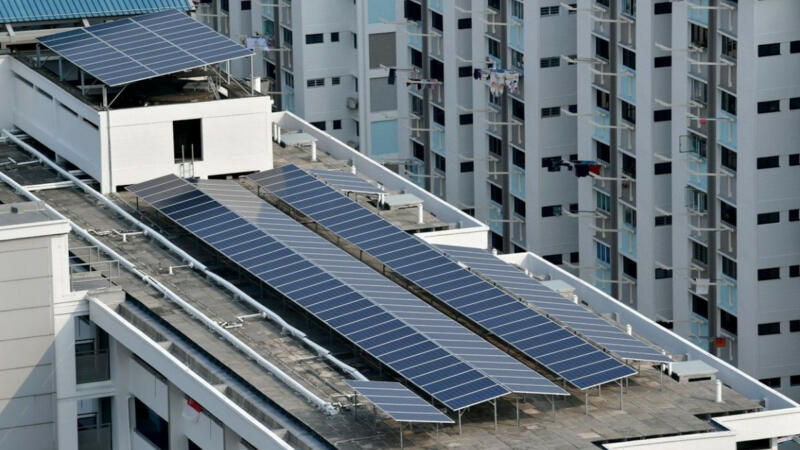
Shared solar self-consumption allows several residents within the same building to use the energy generated by a single solar panel installation, usually located on the roof or rooftop terrace of the property.
Instead of each dwelling having its own system, the energy production is distributed among the owners according to a previously agreed percentage.
In cities such as Benidorm, where high-rise residential buildings are common, this solution is ideal for making use of available roof space and maximising solar performance throughout the year.
How does a solar installation work in a residential community?
The process takes place in several stages:
1. Technical assessment of the building
The orientation, available surface area, shading and electricity consumption of the building are analysed. In areas such as the Costa Blanca, the high number of sunny days per year significantly improves profitability.
2. Approval at the homeowners’ meeting
Under current regulations in Spain, a simple majority is sufficient to approve a self-consumption installation.
3. Installation of solar panels
Photovoltaic modules are installed on the roof, along with inverters and electrical protection systems.
4. Distribution of generated energy
The energy produced is allocated to each dwelling according to the agreed percentage. This is managed through the electricity supplier.
5. Compensation for surplus energy
If not all the generated energy is consumed, the surplus is fed into the grid and compensated on the electricity bill.
How much can be saved with solar energy in a community?
Savings depend on consumption, number of dwellings and installation size, but in the province of Alicante they can reach between 30% and 60% on electricity bills.
Factors influencing savings:
- Solar radiation (very high on the Costa Blanca).
- Consumption in communal areas (lifts, lighting, water pumps).
- Participation of residents.
- Grants and public subsidies.
In a city like Benidorm, where many buildings have communal swimming pools, garages and pumping systems, solar energy can significantly reduce shared expenses.
Advantages of solar energy in residential communities
- Reduction in electricity bills.
- Increase in property value.
- Greater energy independence.
- Renewable and sustainable energy.
- Improved building energy efficiency.
- Access to subsidies in the Valencian Community.
- A modern, environmentally responsible image.
In addition, in tourist areas such as Alicante, having a solar installation enhances the attractiveness of the building to buyers and investors.
Solar energy in Benidorm and the Costa Blanca
Benidorm enjoys more than 300 days of sunshine per year, making solar panel installation a particularly profitable investment.
Residential communities can benefit from:
- High annual energy production.
- Faster return on investment.
- Municipal tax incentives (depending on current regulations).
- Regional subsidies and European funding.
Maintenance of communal solar installations
A photovoltaic installation requires minimal maintenance:
- Periodic cleaning of panels.
- Inspection of inverters.
- Performance monitoring.
- Checking electrical connections.
Working with a specialist company in solar installation and maintenance ensures proper operation and maximum system efficiency.
Frequently asked questions about solar energy in communities
Is it mandatory for all residents to participate?
No. The system can be installed even if not all owners wish to join.
What happens if I sell my property?
Participation in the solar installation is transferred along with ownership.
How long does it take to pay back the investment?
In areas with high solar radiation such as the Costa Blanca, the payback period is usually between 4 and 7 years.
Conclusion: an energy opportunity for communities in Benidorm
Solar energy in residential communities in Alicante is an efficient, cost-effective and sustainable solution. It helps reduce costs, improve building energy efficiency and contribute to environmental protection.
In a region privileged by its climate and hours of sunshine, investing in shared solar self-consumption is not just a trend, but a strategic long-term decision.